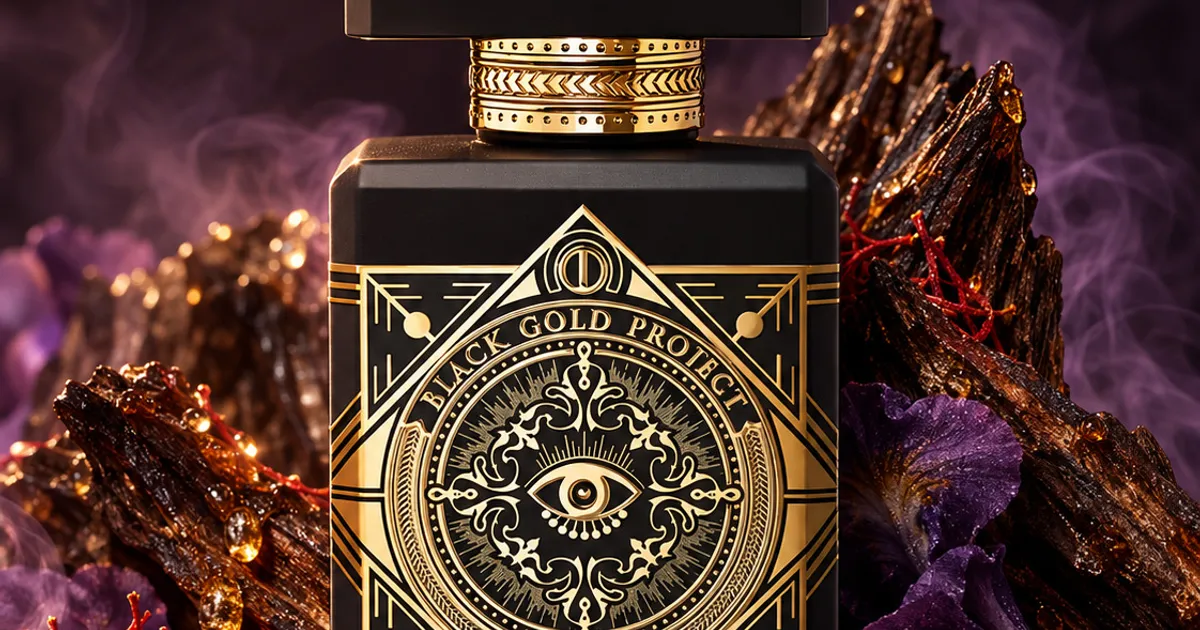
The short answer: a perfume oil is fragrance dissolved in an oil (such as jojoba, fractionated coconut or another carrier) instead of alcohol. It's applied with a rollerball or dropper, sits closer to the skin than a spray, and often lasts longer. Attars are the traditional Middle Eastern form of perfume oil.
What is a perfume oil?
Most perfumes you buy are sprays: aromatic materials dissolved in alcohol, which evaporates quickly and helps the scent project into the air. A perfume oil replaces the alcohol with a skin-friendly carrier oil. Because oil evaporates much more slowly than alcohol, the fragrance releases gradually and stays close to your body.
You'll see several names used:
- Perfume oil or fragrance oil: a general term for oil-based perfume.
- Attar (ittar): the traditional oil perfumes of the Middle East and South Asia, often built around oud, rose, sandalwood, musk and amber.
- Roll-on or rollerball perfume: the packaging, usually 5–10 ml.
- Essential oil: not the same thing. Essential oils are single natural extracts used in aromatherapy; they aren't blended perfumes and shouldn't be applied undiluted to skin.
Note that "fragrance oil" is also used for candle and diffuser oils, which are not made for skin. Only use oils sold as body or perfume oils.
Perfume oil vs spray perfume
- Longevity: oils often last longer on skin because the carrier slows evaporation. Many wear for 6–12 hours.
- Projection: oils sit closer to the skin. People notice them when they're near you, not across a room, which suits offices and warm weather.
- Feel on skin: no alcohol means less drying and no cold "sting", which some people with sensitive skin prefer.
- How it smells: without the alcohol blast, oils often skip the sharp opening and go straight to the heart and base notes.
- Travel: small rollerballs are easy to carry and less likely to leak than sprays.
- Downside: less sillage, and the oil can mark delicate fabrics, so let it absorb before dressing.
How to apply perfume oil
- Apply to clean, moisturised skin.
- Roll or dab a small amount on pulse points: wrists, neck, behind the ears, collarbone.
- Let it absorb for a minute rather than rubbing it in hard.
- Start with less than you think: oils are concentrated, and a single dab often lasts all day.
- Layer a spray over an oil in the same scent family for more projection with the longevity of the oil.
More on placement: how to apply perfume and cologne.
What perfume oils smell like
Perfume oils lean toward warm, rich materials that work especially well in oil: oud, amber, musk, sandalwood, rose, vanilla and saffron. Fresh citrus oils exist too, but they're rarer, as citrus notes are volatile and fade quickly in any format. If you like these warm styles, explore our oud, amber, musk and sandalwood note pages, or read about Middle Eastern fragrance, where attars come from.
Want oil-level longevity from a spray?
SCNTMIX profiles spray fragrances rather than perfume oils. If what you like about oils is how long they last and how close they sit, look for sprays in extrait or parfum concentration with rich bases of oud, amber, vanilla, musk or resins. Our 20 longest-lasting perfumes ranks exactly those, with links to buy or sample each one, and you can layer any of them over an unscented oil or balm to slow evaporation further.
How to store perfume oils
Like any fragrance, oils last longest in a cool, dark place with the cap closed. Some carrier oils can go rancid after a few years, so check the smell before use if a bottle has been open a long time. See how to store perfume.
Frequently asked questions
Do perfume oils last longer than sprays?
Usually on skin, yes, because oil evaporates much more slowly than alcohol. They project less, though, so they feel quieter even while they last.
Are perfume oils stronger than perfume?
They're often more concentrated but less loud. You'll smell them up close for longer, rather than in a big cloud around you.
What is the difference between attar and perfume oil?
Attar is the traditional name for oil-based perfumes from the Middle East and South Asia, historically distilled from natural materials into a base such as sandalwood oil. Many modern perfume oils use the same idea with modern ingredients.
Can I use essential oils as perfume?
Not undiluted. Essential oils are single, concentrated plant extracts that can irritate skin; they must be diluted in a carrier oil and aren't a blended perfume.
Can you layer perfume oil with a spray?
Yes. Apply the oil first, let it absorb, then spray on top. It's a popular way to get the longevity of an oil with the projection of a spray.