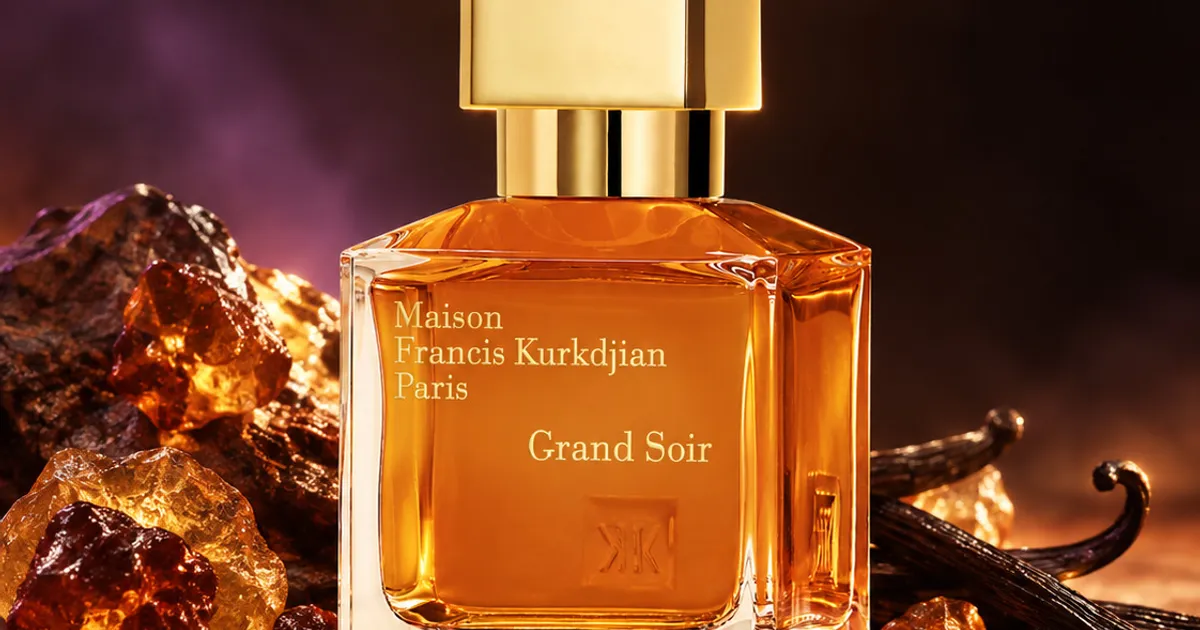
The short answer: keep perfume in a cool, dark, dry place with the cap on, ideally in its original box, away from windows, radiators and the bathroom. Light, heat and air are what break fragrance down. Stored well, most perfumes stay fresh for three to five years or more after opening, and much longer while still sealed.
What makes perfume go bad
A fragrance is a blend of aromatic materials dissolved in alcohol. Three things change it over time:
- Light. UV light breaks down aromatic molecules, especially citrus oils and delicate florals. Clear bottles on a sunny shelf fade fastest.
- Heat and temperature swings. Warmth speeds up the chemical reactions that turn a scent flat or sour, and repeated warming and cooling makes it worse.
- Air. Every time oxygen reaches the juice it oxidises a little. The emptier the bottle, the more air it holds, which is why the last quarter of a bottle can smell different from the first.
Humidity plays a smaller role, but steam and damp speed up all of the above.
Where to store perfume
- Best: a drawer, closet shelf or cabinet in a bedroom that stays at a steady room temperature, roughly 15–20°C (60–68°F).
- Keep the box. The original box is the simplest way to block light. Many collectors store bottles boxed and display only the one they are wearing this week.
- Cap on, always. Replacing the cap limits air exchange and evaporation.
- Upright. Storing bottles upright keeps the juice away from the sprayer and seal.
Where not to store perfume
- The bathroom. It is the most common place people keep fragrance and the worst: heat and steam from every shower, then cooling, every day.
- A windowsill or sunny dresser top. Direct sunlight is the fastest way to ruin a fragrance.
- The car. Summer heat inside a parked car can cook a bottle in an afternoon.
- Next to radiators, heaters or hair tools.
Should you keep perfume in the fridge?
You don't need to. A regular kitchen fridge is cold, opened constantly and full of food odours, and taking a bottle in and out causes condensation and temperature swings. A dedicated beauty or wine fridge set to a steady, cool temperature can extend the life of fragile citrus and cologne-style scents, but a dark drawer at room temperature does the job for almost everyone. Never freeze fragrance.
How to keep perfume fresh after opening
- Use sprays rather than splashes. A splash bottle lets in air and skin oils every time you open it.
- Wear your fragrances. A bottle that is used within a few years never has time to turn.
- Decant large bottles. If you own a 100–200 ml bottle, fill a small travel atomiser to wear day to day and keep the big bottle sealed and boxed.
- Fill decants to the top. Less headspace means less air.
- Keep samples in a box. Tiny vials hold so little that light and air affect them quickly.
How long does perfume last?
There is no single expiry date, but some styles age better than others:
- Fresh citrus and colognes are the most fragile. Bergamot, lemon and neroli top notes can fade in two to three years once opened.
- Florals and aromatics usually hold well for three to five years.
- Ambers, woods, ouds, resins and vanillas are the most stable and can last many years; some even deepen with age.
- Higher concentrations (extrait and parfum) tend to keep longer than eau de toilette or cologne.
Want fragrances that also last longest on skin? See our 20 longest-lasting perfumes and how longevity and projection work.
How to tell if perfume has gone bad
- The opening smells sharp, sour, vinegary or like nail polish.
- The colour has darkened noticeably (some vanilla-heavy scents darken naturally, so judge by smell first).
- The top notes are gone and it smells flat or only of the base.
- It smells metallic or "off" compared with a fresh tester.
A slightly off first spray can sometimes be only the juice that sat in the sprayer tube. Spray two or three times into the air before judging.
Travelling with fragrance
Carry a small atomiser or travel spray instead of the full bottle, keep it in your bag rather than checked luggage where temperatures swing, and never leave it in a hot car or on a sunny hotel windowsill.
Frequently asked questions
Does perfume expire?
Perfume doesn't have a fixed expiry date, but it slowly changes once opened. Most stay good for three to five years or more when stored cool and dark; sealed bottles last far longer.
Is it bad to keep perfume in the bathroom?
Yes. Daily heat, steam and temperature changes break fragrance down faster than anywhere else in the home.
Should I keep the box?
Yes. The box blocks light, which is one of the main causes of fading, and it makes a bottle easier to resell or gift.
Can you store perfume in the fridge?
You can, but you don't need to. A steady, dark drawer is enough; a dedicated beauty fridge helps fragile citrus scents, while a kitchen fridge's temperature swings can do more harm than good.
How do I make my perfume last longer on skin?
Apply to moisturised skin after a shower, spray pulse points and your chest, and add a spray to clothing. For long wear, choose fragrances with rich base notes such as amber, oud, vanilla and musk; our perfumes by note pages list them.