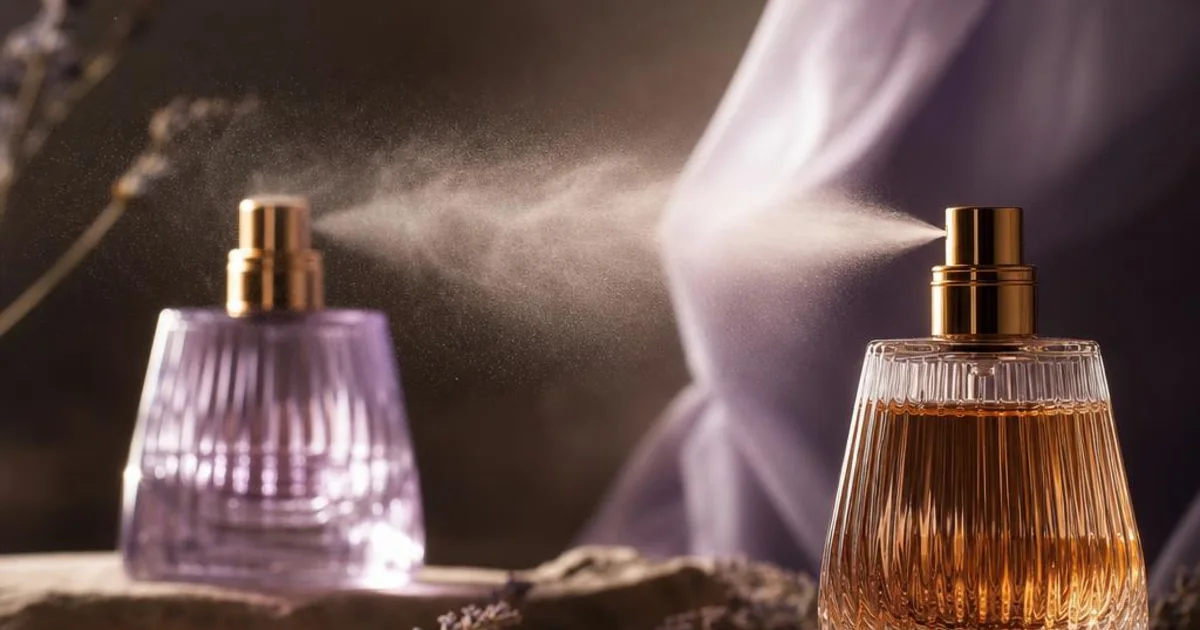
What fragrance layering actually means
Layering means applying more than one fragrance at the same time or in sequence so they blend on your skin rather than simply sitting next to each other. Done well, layering creates depth, extends longevity, and produces a scent that is uniquely yours. Done carelessly, it creates a mess.
Apply the heavier fragrance first
The most consistent rule in fragrance layering is to apply heavier, denser fragrances before lighter ones. Oud, woody, amber, and musky fragrances form a base that lighter florals, citrus, and fresh scents can rest on. If you reverse the order, the lighter fragrance often overwhelms the heavier one at first and then disappears, leaving only the base.
Apply your base fragrance to warm pulse points — wrists, inner elbows, neck, chest — and let it sit for 30 seconds before adding the second layer.
Spray ratio changes everything
The ratio at which you apply each fragrance shapes which one leads and which one supports. A 2:1 ratio (two sprays of fragrance A, one of B) makes A the dominant note. Equal parts creates a true blend where both are present. Starting with a 2:1 ratio and adjusting from there is usually the best approach with a new combination.
Which fragrance families work together
Fragrance families that share structural similarities or complementary characteristics tend to layer more predictably:
- Woody + Oriental/Amber: Woods give structure; amber and resins add warmth and depth. A classic combination.
- Floral + Musk: Musks extend florals and soften their sharpness without competing.
- Citrus + Floral: Citrus lifts florals, adding brightness to what can otherwise feel heavy or one-dimensional.
- Aquatic + Woody: Clean marine freshness paired with a woody anchor creates a balanced, wearable result.
What tends to clash
Very sweet gourmand fragrances (heavy vanilla, caramel, chocolate) often fight with green or earthy fragrances rather than complementing them. Sharp, medicinal notes in certain fragrances can amplify rather than balance when layered with similar profiles. And two very dominant musks can create a heavy, airless effect rather than the depth you're looking for.
Test on skin, not paper
Fragrance strips show you individual notes but not how two fragrances interact with your skin chemistry. Always test a combination on your wrist, wait 20 minutes, and evaluate how it develops before deciding whether it works.
Use the MixMode to explore compatible combinations from the catalog and see compatibility scores, spray ratios, and a full breakdown of how two fragrances work together before you commit to trying them at home.